Immediate Water Damage Response in Saxony
When water is spreading through your Saxony home, Saxony Water Restoration delivers fast, around the clock emergency response across Saxony and Hamilton County. Our IICRC certified crews handle the full job, extraction through reconstruction, and coordinate directly with your insurance carrier.
If your call goes to voicemail, expect a call back from us within 15 minutes.


Need water damage restoration in Saxony? Saxony Water Restoration handles emergency water extraction, flooded basements, burst pipes, and sewage cleanup with IICRC certified crews, 24/7 dispatch, and documentation your insurance carrier expects. Call (765) 978-5086 now.
- Services: water damage restoration, basement flooding, sewage cleanup, storm damage
- Service area: Saxony, Hamilton County, IN and surrounding areas
- Response time: Same day for Saxony inquiries; 24/7 emergency service available
- Licensed and insured (License #RC21100059)
- Serving Saxony, IN since 2018
Schedule Your Free Damage Assessment
Our inspection of a Saxony home is a room by room walkthrough, not a quick look. We measure walls with non penetrating meters at multiple heights, then confirm with a penetrating meter where readings spike. Baseboards, trim, subfloors, behind cabinets, under sinks, around water heaters and washing machines, basement perimeters, and slab joints all get checked. A thermal imaging camera maps hidden moisture inside cavities, insulation gets pulled where readings warrant it, and a hygrometer logs ambient temperature and humidity so drying targets are set correctly. The reason for the thoroughness is simple. The most expensive water restoration problem in Saxony is the moisture nobody found on day one, the pocket inside a wall cavity that feeds mold growth thirty days later and turns a clean job into a remediation project.
I agree to be contacted by Saxony Water Restoration regarding my inquiry.
Indiana weather puts Saxony homes through every kind of water stress: hail-driven roof damage, wind-driven rain, spring flooding, summer storms, winter freeze-thaw cycles. The result is a steady flow of water emergencies in Saxony homes year-round. We respond to all of them.
Air quality gets managed during drying, not just after. HEPA filtration and air scrubbing keep Saxony indoor air clean while materials release moisture, which matters most in occupied homes where families keep living through the process.
For Saxony property managers and landlords, water response protects more than structure: tenants, timelines, and liability all ride on how fast and how well the loss gets handled. Documented restoration is built for exactly those stakes.
Payment Options That Work for You
Restoration is worth doing right the first time. Financing options through Saxony Water Restoration lender partners help homeowners pay over time instead of cutting scope or delaying work.
Pay for your project at a later time, but lock in today's pricing. Ideal for homeowners waiting on insurance settlements.
- No payments for 12 months
- No interest if paid in full
- Lock in current pricing today
Divide your project cost equally across 12 months with zero interest. Most homeowners choose this option for predictable budgeting.
- Equal monthly payments
- 0% interest for 12 months
- Simple, predictable budgeting
Spread your investment over up to 20 years with fixed equal payments. The right choice for larger projects or homeowners who prefer lower monthly amounts.
- Up to 20-year terms available
- Fixed equal payments
- Ideal for larger restoration projects
Subject to credit approval. Ask your project lead for current terms and promotions.
Water Damage Restoration Services in Saxony
Pick the service that matches what happened in your Saxony home, or call and we'll help you sort it out.
Water Damage Restoration in Saxony
Serving Saxony: full scope residential water damage restoration covering extraction, structural drying, antimicrobial treatment, and reconstruction. Handled to IICRC S500 standard from first call through final walk through.
Learn moreBasement Flooding in Saxony
Below grade water removal and drying for Saxony basements affected by sump failures, hydrostatic pressure, supply line breaks, or storm intrusion. Includes structural drying and reconstruction as needed.
Learn moreSewage Cleanup in Saxony
Serving Saxony: category 3 black water cleanup for sewage backups and contaminated water losses. Includes containment, removal of affected materials, antimicrobial treatment, and verified reconstruction.
Learn moreStorm Damage in Saxony
In Saxony, water damage restoration following severe thunderstorms, heavy rain events, and winter storm intrusion. Covers extraction, drying, and rebuild of affected interior structures.
Learn moreCommercial Water Restoration in Saxony
For Saxony addresses, water damage response for offices, retail, multi tenant, and mixed use properties. Coordinated to minimize downtime with documentation built for commercial insurance claims.
Learn moreCommercial Flood Damage Cleanup in Saxony
For Saxony addresses, large loss flood cleanup for commercial properties affected by storm flooding, mainline breaks, or fire suppression discharge. Scaled equipment and documentation for commercial scope.
Learn moreCommercial Sewage Cleanup in Saxony
Serving Saxony: category 3 contamination response for commercial buildings. Containment, removal, disinfection, and reconstruction handled to IICRC S500 and S520 standards.
Learn moreCommercial Mold Remediation in Saxony
For Saxony addresses, mold containment and remediation in commercial buildings per IICRC S520. Includes containment barriers, HEPA filtration, contaminated material removal, and post remediation verification.
Learn moreCommercial Storm Damage in Saxony
In Saxony, commercial storm water intrusion response covering extraction, drying, and structural reconstruction of affected building areas. Documentation built for commercial carrier review.
Learn more
Local Expertise, Real Results
Built on careful assessments, documented drying, and finishing the job we started for Saxony homeowners.
Saxony Water Restoration brings Saxony water restoration on terms property owners actually want. Free inspections. Plain language scopes. Insurance coordination. Manufacturer trained crews. License #RC21100059. The kind of operating discipline a real business should provide.
Saxony Water Restoration serves Saxony homeowners with residential and commercial water damage restoration, covering the master planned community along Olio Road and East 131st Street plus the surrounding Fishers, Noblesville, Geist, Carmel, and Westfield areas of Hamilton County. We have spent years responding to burst supply lines, sewage backups, sump failures, and storm driven basement flooding across this part of central Indiana. Our crews are made up of IICRC certified technicians working under a licensed and insured restoration company. When a Saxony homeowner calls in a panic at 2 AM, the goal is simple: get someone qualified on site quickly, stop the damage from spreading, and start building a clear path back to a dry, livable home.
Every Saxony job is run to the IICRC S500 standard for water damage restoration, the published reference that defines how Category 1, 2, and 3 water losses should be assessed, contained, and dried. When mold is found behind baseboards, under cabinets, or inside wall cavities, remediation follows IICRC S520 protocols for containment, removal, and verification. Our process starts with thermal imaging and calibrated moisture meters to map every wet surface, then moves to controlled extraction, structural drying with monitored air movement and dehumidification, antimicrobial treatment where warranted, and post drying verification before any reconstruction begins. The standards are technical for a reason. They protect your home from the slow, hidden damage that shows up months later.
Our Promise
Three commitments to every Saxony homeowner who calls us. First, fast emergency response, dispatched day or night, because every hour without extraction expands the damage. Second, IICRC certified technicians trained to the S500 standard, a consistent crew of unqualified subs. Third, a free on site inspection before any work begins, with full coordination with your insurance carrier if you have an active claim. Plain talk, written estimates, and a crew that treats your home like the asset it is.
The Standards We Work To on Every Saxony Job
Honest assessments, documented drying, and clear pricing on every Saxony water restoration job, with the same crew from extraction through reconstruction.
Fast Emergency Dispatch
Water damage is a clock problem. The longer extraction waits, the more flooring, drywall, and subfloor get pulled into the loss. We run a 24/7 emergency line for Saxony and dispatch crews with extraction equipment already loaded on the truck, so the first hour on site is productive, not preparation.
IICRC S500 Standard
Our technicians are IICRC certified and trained to the S500 standard for water damage restoration. In practice that means Category determination is documented, drying is measured against published targets, and structures are verified dry before reconstruction begins. It is the difference between guessing and knowing.
One Crew, Full Scope
Most Saxony jobs go from extraction to drying to demolition to drywall, paint, flooring, and trim under one project. We handle the full scope, so you are not chasing a second contractor after the dehumidifiers leave. One point of contact through the entire restoration.
Insurance Coordination
We work with your insurance carrier directly, document the loss to industry standard, and justify the scope so claims process cleanly. Photos, moisture maps, written readings, and category classification all get logged. That paperwork is what gets a Saxony claim approved instead of pushed back.
Real Jobs. Real Results.
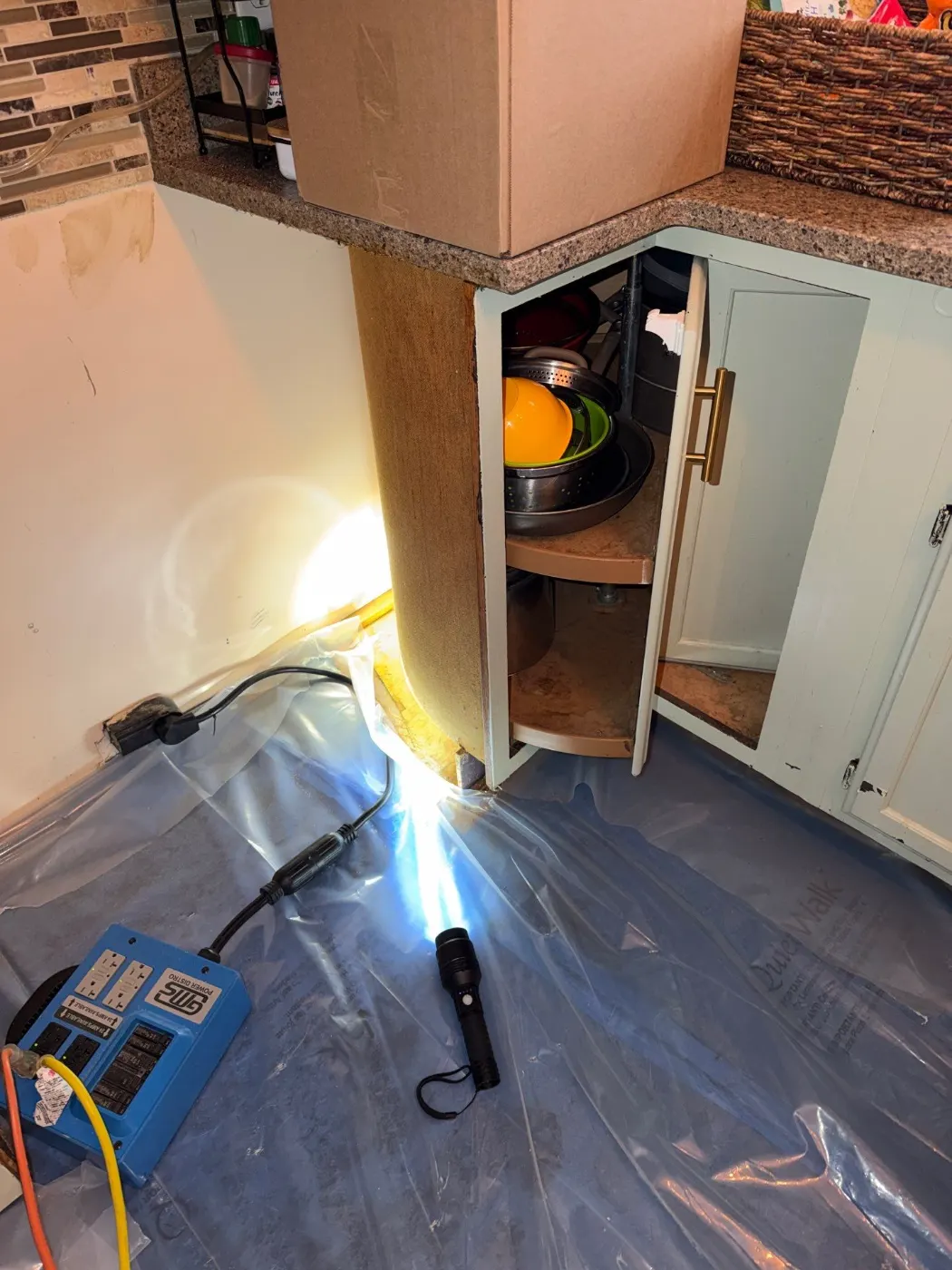
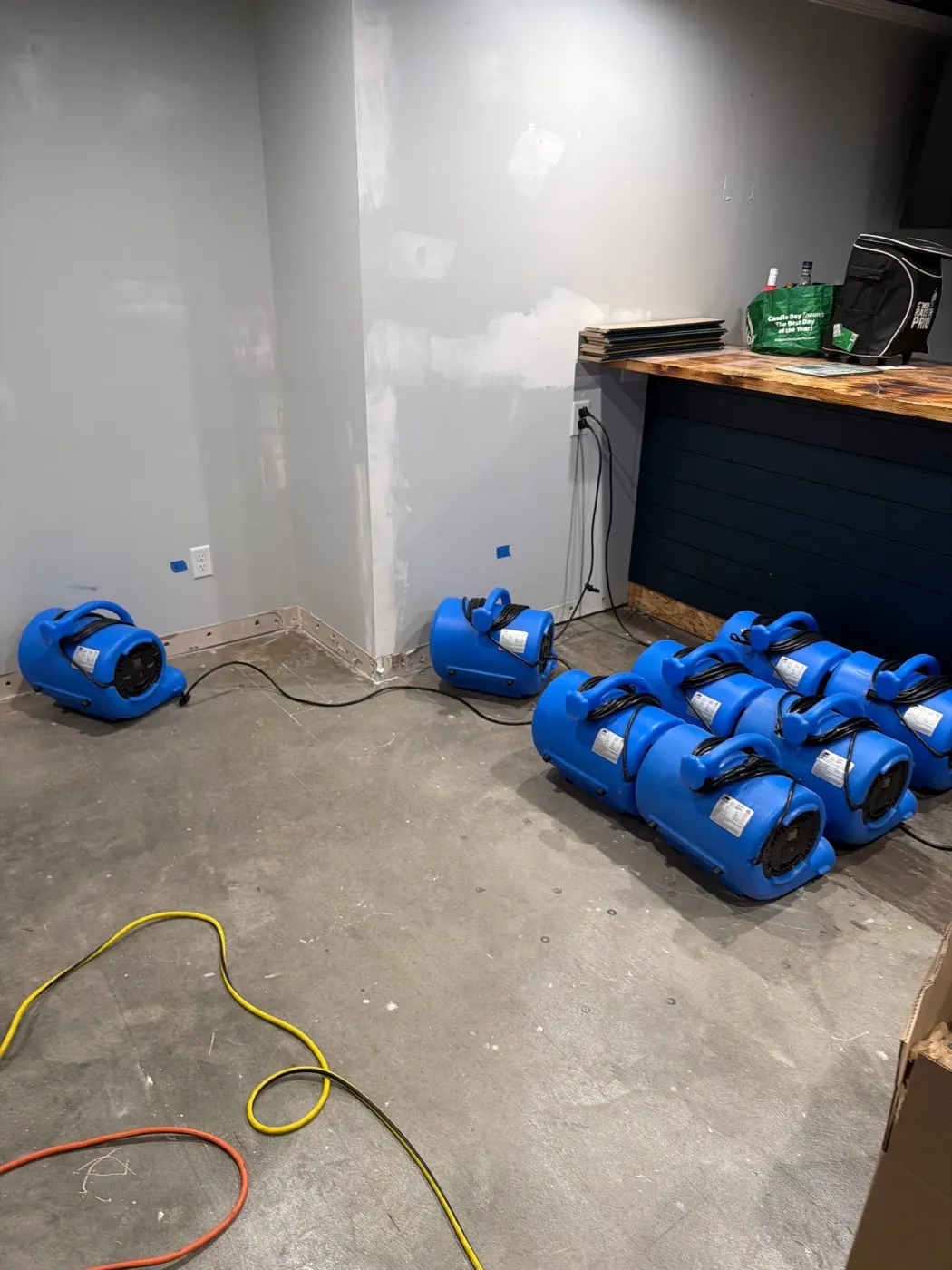
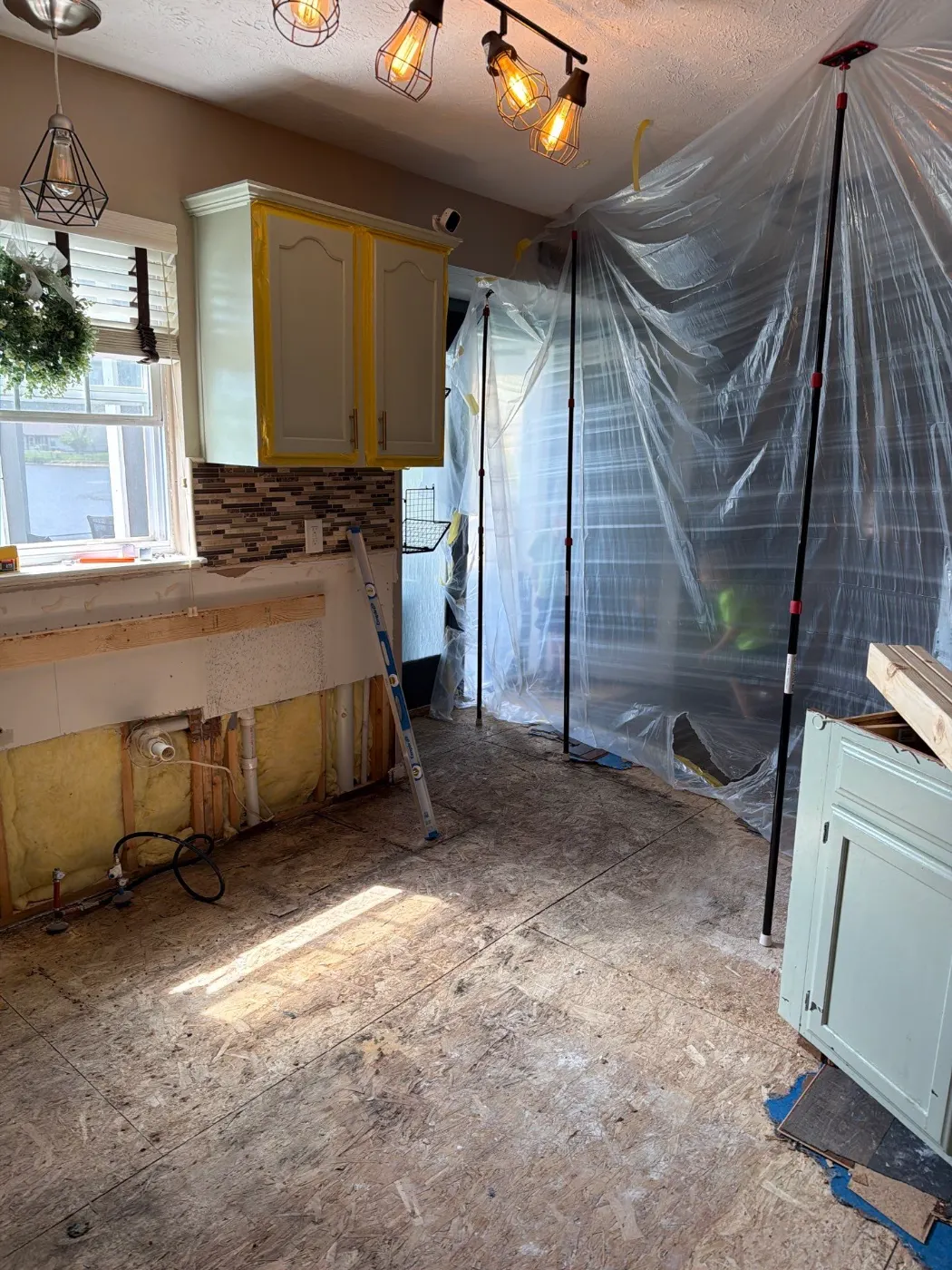
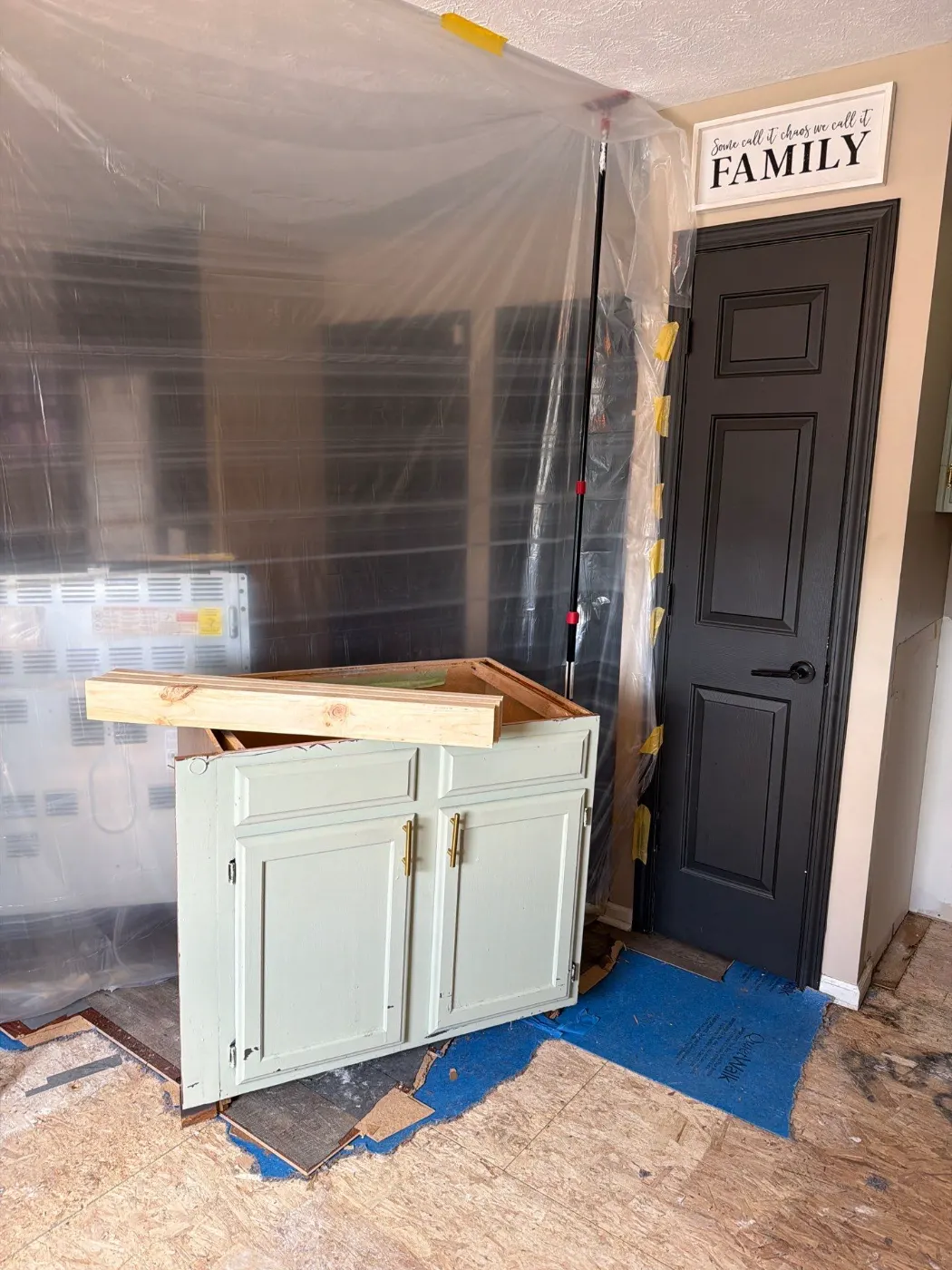
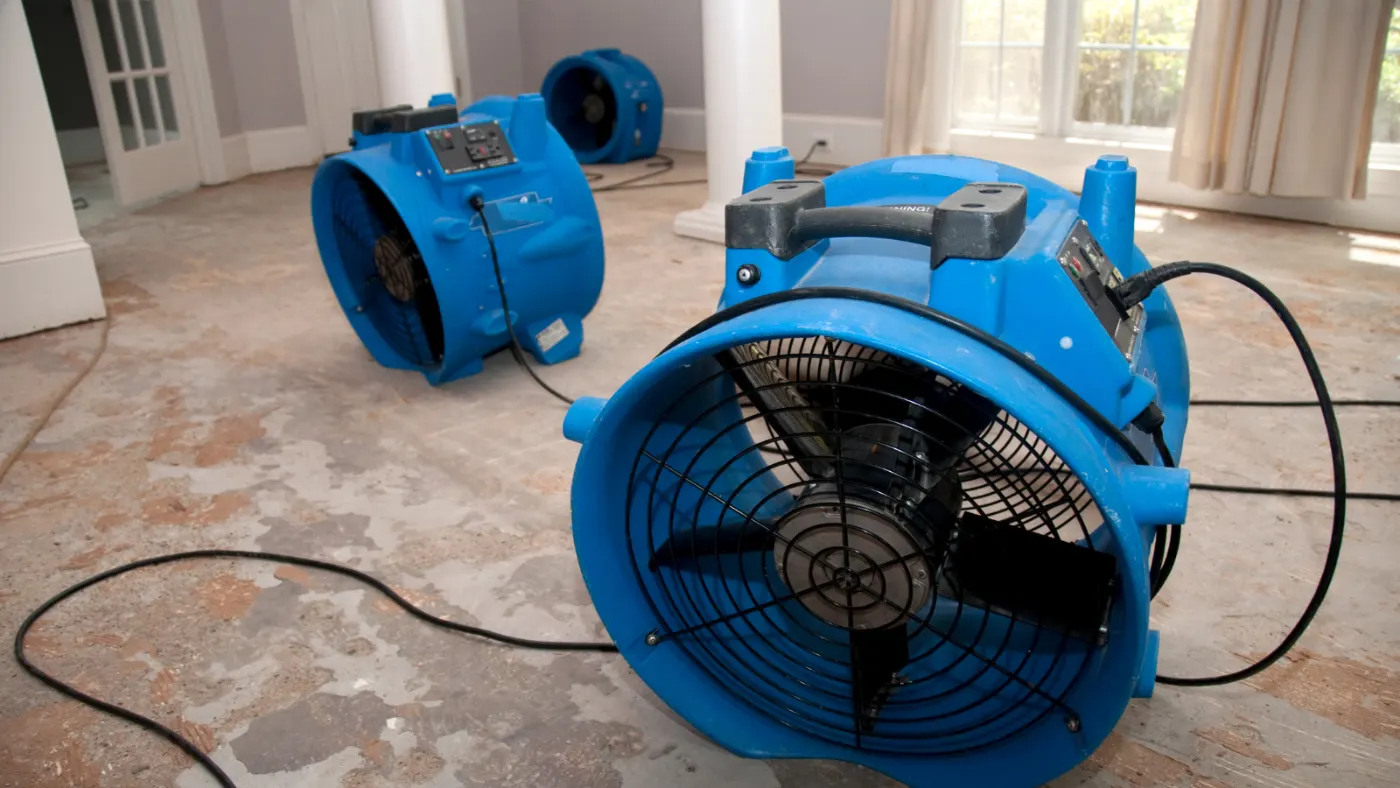
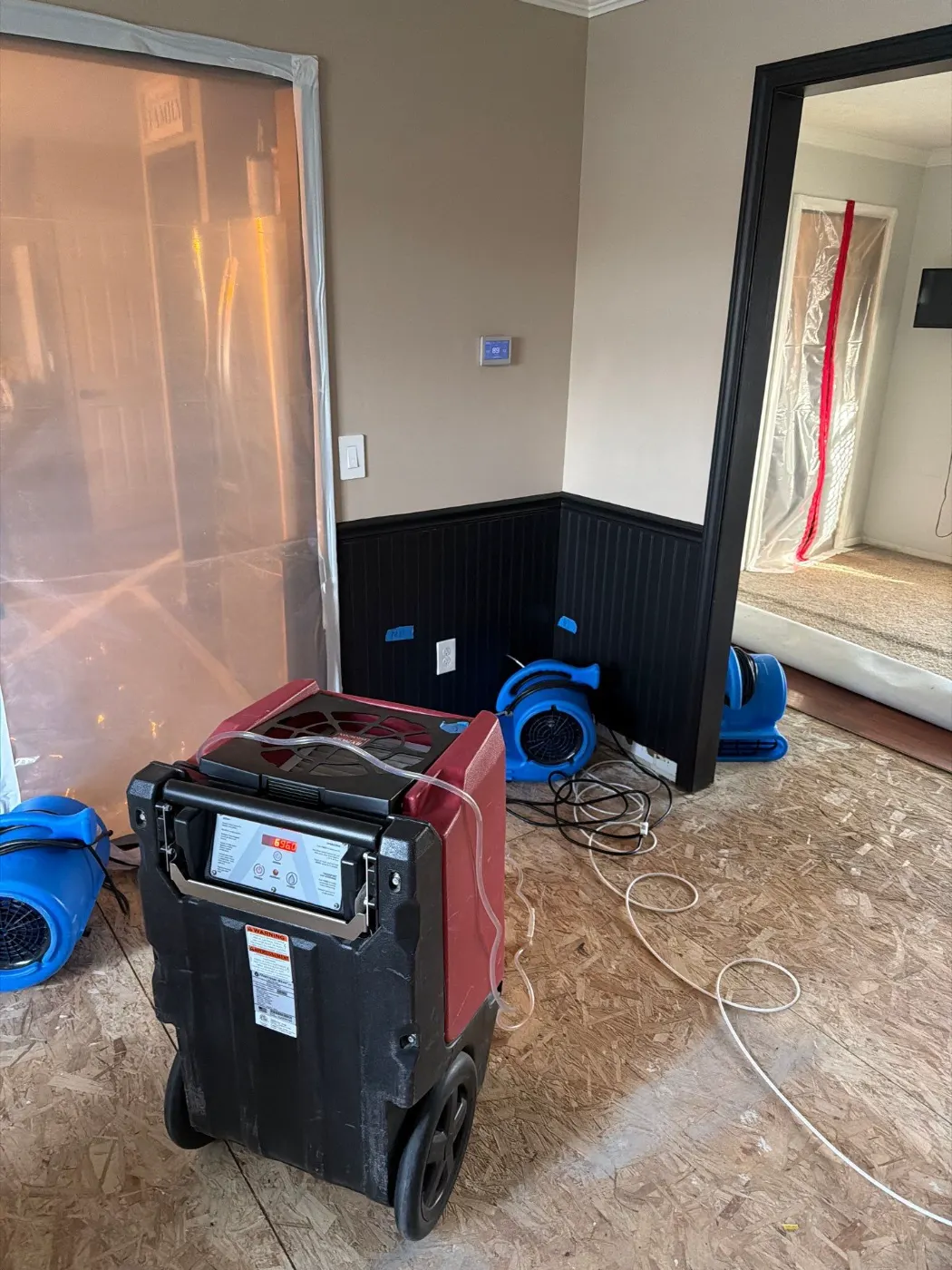
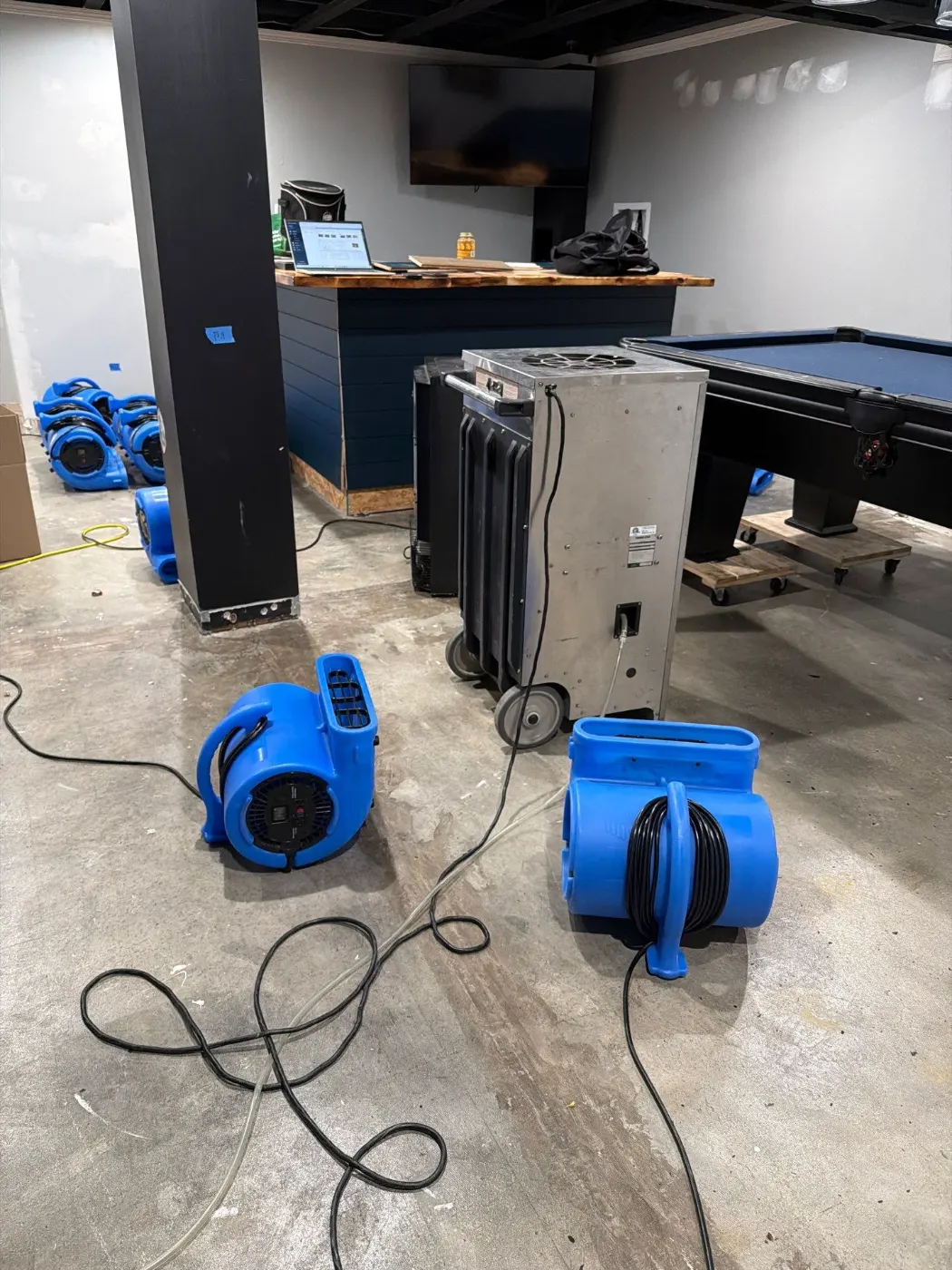
Real Saxony water restoration projects, real Hamilton County homes, real before and after. Burst supply lines, sewage backups, basement flooding, and storm intrusion losses documented through extraction, drying, and rebuild.
How a Saxony Water Loss Gets Handled
The first phase on a Saxony water loss is assessment. A certified technician walks the property, runs thermal imaging across affected rooms, and confirms findings with moisture meter readings logged at specific locations. The source gets identified, broken supply line, dishwasher failure, sewage backup, sump pump failure, or storm intrusion, and the water gets classified as Category 1, 2, or 3 per IICRC S500. Scope of damage is mapped before a single air mover is placed. This phase typically takes one to two hours and sets the foundation for everything that follows.
Next comes documentation and insurance coordination. We photograph and video every affected area before mitigation starts, log meter readings into a written moisture map, and contact your insurance adjuster directly. Scope of work is matched to coverage, mitigation justification is documented to industry standard, and the loss file is built so the carrier can process it without back and forth. Most Saxony homeowners never have to touch this paperwork. We handle the carrier conversation while you focus on the family, the kids, and getting back to normal.
Then the work itself. Air movers and dehumidifiers are placed based on structural drying calculations matched to the affected square footage and materials involved. Readings are taken daily and logged until moisture content in affected materials matches unaffected materials in the same structure. Controlled demolition removes only what cannot be dried in place. Once the structure verifies dry, reconstruction begins, drywall, insulation, flooring, paint, trim, cabinetry, finish work, all coordinated to bring the home back to pre loss condition.
Rapid On Site Response
A certified technician leads each Saxony dispatch with extraction equipment, meters, and thermal imaging already on the truck. Extraction starts on arrival, drying setup follows the same day, and the loss is documented from the first minute. No staging delays.
Category Determination
Every loss gets classified per IICRC S500: Category 1 clean water from supply lines, Category 2 gray water from appliances or toilet overflow, Category 3 black water from sewage or floodwater. Meter readings, photos, and a written assessment go into the file. Category drives scope, scope drives the estimate.
Insurance Partnership
We work with your insurance carrier, document the loss to industry standard, and justify scope line by line. Invoicing stays transparent. The adjuster gets what they need, you get a claim that processes cleanly.
Verified Dry Standard
Drying continues until moisture content in affected materials matches unaffected materials in the same structure. Daily readings get logged, equipment gets adjusted based on progress, and reconstruction does not start until the structure is confirmed dry. That is what prevents the call back at month three.
The Most Frequent Saxony Water Emergencies
Dishwasher Leak Under the Cabinet
Pull the machine out and the story is written on the floor: a rust ring at the fitting, swollen particleboard, and a dark line where water ran toward the sink base. All of that gets photographed before demolition so the cause and the timeline stay in the file.
Appliance Failures
Dishwashers, washing machines, refrigerator ice maker lines, and water heaters fail without warning. Slow leaks behind appliances can run weeks before the wall behind them shows visible damage.
Heavy Rain and Saturated Ground
Surface water is a grading problem before it is a plumbing one. A patio pitched toward the house, a downspout ending at the wall, or a flower bed built up above the siding line all deliver rain exactly where it should not go.
Refrigerator Ice Maker Line
That quarter inch line feeding the ice maker is the smallest supply in the house and the one nobody looks at. It gets pinched when the refrigerator slides back, then weeps behind the unit where nothing is visible until the flooring cups.
Vacant Property Freeze
Heat turned down to save money is the usual starting point. Set it too low, or lose a furnace with nobody there to notice, and the pipes in the exterior walls freeze on the first hard night. By the time a realtor opens the door, ceilings are on the floor.
Fire Sprinkler Discharge
For a Saxony building owner the priority order is the valve, then the electrical, then the water. We coordinate the shutdown with your fire protection contractor, document the affected areas floor by floor, and start extraction while the system is being reset.
What Should You Do Before the Crew Arrives in Saxony?
Before the crew gets to your Saxony home, focus on the water source and on safety. The checklist below covers both, plus a few things that protect your floors and belongings while you wait.
1. Close the main valve first
Find the main shutoff and close it all the way. A round handle turns clockwise, and a lever handle turns so it sits across the pipe. If the valve won't move, your water utility can usually shut off service at the meter.
2. Unplug what you can reach safely
If a lamp or a space heater is plugged in near the water and the floor around it is still dry, unplug it and carry it to a dry room. Leave anything that's sitting in water exactly where it is for the crew.
3. Keep everyone on dry ground
Set up a spot in a dry part of the house for kids and pets while you work through this list. Floodwater and sewage both carry germs, and wet stairs and floors are easy to slip on.
4. Clear a path for the crew
Our crew will need to reach the wet walls and floors, so move small items out of the affected rooms when it's safe to do it. Leave heavy furniture where it is until the crew arrives.
5. Lift furniture off wet carpet
Slide aluminum foil or plastic lids under the legs of wood furniture so stains don't bleed into the carpet. Pull up throw rugs and hang them somewhere dry, since they hold water against the floor underneath.
6. Leave wet drywall and carpet in place
It's tempting to start pulling things out, but leave wet drywall and carpet where they are. Our crew takes the damage photos and moisture readings before anything is removed, and that record goes into your photo report.
7. Use the right tools for small spills
Towels and a mop handle a small amount of clean water. For more than that, use a shop vac rated for wet pickup, and keep regular household vacuums away from the water.
8. Call before the water spreads further
The sooner the crew starts drying, the more of your floors and walls can be saved. Call as soon as the water is off, even late at night, since our dispatch line runs 24/7.
Call us at any point on this list if something feels unsafe, and the crew will handle the rest when they arrive.
Three Simple Steps
Whether the water came from a pipe or a storm, the job moves through these same steps.
Answered and Dispatched
Ring the 24/7 line and a certified crew heads your way within 2 hours. Work starts on arrival, not after paperwork.
The Written Scope
The file starts here, and so does the trust. Your adjuster gets the documentation carriers expect, from day one. The structure gets walked, imaged, metered, and mapped, wall by wall.
Verified and Finished
The readings are what you show a buyer three years from now. Antimicrobial goes on where the Category warrants it, not by default. Nothing closes until Saxony moisture content is verified, usually 3 to 5 days.
What's in the Photo Report You Get From Our Crew
The photo report brings the hidden part of water damage out into the open, with pictures and readings from behind your walls and under your floors. We review it with you before work moves forward in your Saxony home.
The source, in pictures
Whether it was a cracked pipe or a sump pump that quit, the first photos in the report show the source up close and in the context of the room around it. That helps your plumber see the same thing we saw.
Moisture readings, room by room
Each affected room gets readings at several spots on the walls and floor. The report lists those readings with photos of where they were taken, so you can see where the wet area ends.
Pictures you can keep
Every photo in the report comes from our crew, taken on site during each visit. You keep a copy of the full set, which is handy if you sell the house later and a buyer asks about the water damage.
The plan for each room
Each room gets a short plan in the report, covering the equipment going in and anything that needs to come out. If the plan changes as the drying goes, the report changes with it.
Updates as the work goes
Drying takes several days in most homes, and the report grows the whole time. New readings and photos get added on each visit, so you always know where things stand in each room.
Questions are welcome
Ask about anything in the report that doesn't add up. The crew can take a new reading while you watch and explain what it means for that room, and seeing a dry wall next to a wet one makes the numbers easier to follow.
A record that's yours
Keep the report with your home records. We document damage with a photo report and walk you through what we found, so you can decide with your insurance company. Your policy will say what's covered, so read it before you call them.
Want to know what the crew will capture in your Saxony home? Ask when you call, and we'll describe the photo report before anyone arrives.
What to Ask Before You Hire in Saxony
Use these questions with any water damage company you call in Saxony.
Who will be working in my home?
Ask whether the crew works for the company you called or for a subcontractor, and who's in charge on site each day.
How will you show me it's dry?
Ask for moisture readings on the first visit and the last one, so you can see the numbers reach dry standard.
Can I see an itemized estimate?
Ask for every line item in writing. Many insurers price water losses in Xactimate, so an estimate in that format is easier for an adjuster to review.
Does my policy require a certain company?
Ask your adjuster before you sign anything, and read the work authorization so you know what you're agreeing to.
What happens if you find mold?
Ask how mold behind walls or under floors gets handled, and whether that work is priced apart from the drying.
Who handles repairs after drying?
Ask who replaces drywall, flooring, paint and trim once the structure is dry, and whether one company can do both stages.
Indiana Weather Drives Restoration Calls Year Round
Indiana weather drives most water damage calls in Saxony. Winter freeze thaw cycles burst supply lines and outdoor hose bibs, spring saturation pushes groundwater through foundation walls and overwhelms sump pumps, and summer thunderstorms drop inches of rain in a single afternoon that the drainage system simply cannot handle.
Winter Pipe Bursts
Indiana winters swing across freezing multiple times per cold snap, and that freeze thaw cycle stresses PEX fittings and copper supply lines in Saxony homes built in the early 2000s. A burst at 2 AM can dump hundreds of gallons before anyone notices. We dispatch immediately, shut down the affected zone, extract, and start drying before the subfloor is lost.
Spring Saturation Flooding
Spring rain saturates Hamilton County soil, and once the ground cannot absorb any more, hydrostatic pressure pushes water through foundation walls, slab joints, and around sump pits. Saxony basements and below grade spaces near the lake and retention features see this regularly. We extract, dry, and verify the perimeter before mold takes hold.
Severe Thunderstorms
Central Indiana storms produce short duration rainfall that overwhelms stormwater drainage in a matter of hours. When Saxony sees three or four inches in an afternoon, sump pumps run continuously, window wells overflow, and water finds the lowest entry point. Storm intrusion calls spike, and we respond around the clock.
Summer Humidity and Mold
Indiana summer humidity keeps unconditioned spaces damp for weeks at a time. A small leak under a sink or a slow drip behind a washing machine in a Saxony home turns into visible mold growth fast. We assess, contain per IICRC S520, remove, and verify with air sampling when the situation warrants it.
Saxony Subdivisions and Older Blocks
Choose a neighborhood to see what kind of homes it has and what that means if water gets inside.
Where we respond near Saxony
Crews dispatched 24/7 to Saxony and the closest surrounding communities.
Local Conditions That Drive Saxony Water Losses
What we know about Saxony homes before we walk in.
About Saxony Homes
Saxony is a master planned community launched in 2001, with the majority of its homes built between 2000 and 2019; the median construction year is 2004. Homes of this era were built with modern PEX or copper supply plumbing rather than galvanized pipe, though early-2000s construction occasionally used CPVC, and freeze thaw stress on PEX fittings remains a real failure risk in Indiana winters. Saxony's housing stock includes single family detached homes (81.9% of units), attached townhomes, and multi family apartments, with diverse sub communities ranging from cottage style active adult homes to traditional two story family homes and three story townhomes. New Urbanism design principles emphasize compact, walkable lot layouts with alley loaded garages, meaning many homes sit close together and share drainage corridors, and the proximity to Saxony Lake and planned stormwater retention features makes sump pump installations common in below grade spaces.
Where We Work in Saxony
We cover homeowners across Saxony near IU Health Saxony Hospital, Saxony Lake and Beach, Witten Park, The District at Saxony (apartment and retail complex), Saxony MarketPlace, Hamilton Town Center (adjacent), Olio Road, East 131st Street.
Surrounding Areas We Serve
Our crew also covers Fishers, Noblesville, Geist, Carmel, Westfield, Lawrence Township.
Recent Weather Patterns
Hamilton County, Indiana is subject to severe thunderstorms, heavy rainfall events, and winter ice storms; in April 2026, multiple rounds of storms produced around 4 inches of rain in parts of the region, prompting Hamilton County Emergency Management to issue standing water and flooding warnings for low lying areas and neighborhoods with poor drainage. The region's water damage risk pattern is dominated by intense short duration rainfall overwhelming stormwater infrastructure, localized basement and crawl space flooding, and freeze thaw pipe burst events during Indiana winters.
What Our Crew Sees in Saxony
Saxony's 2000s era construction means the community's plumbing is now 15,25 years old, reaching the age range where supply line failures, water heater leaks, and early PEX fitting issues begin to appear with greater frequency. The community's proximity to Saxony Lake and its network of planned retention ponds creates localized hydrostatic pressure risk for below grade areas, and Hamilton County's own flood program acknowledges that all areas face flooding risk from heavy rains, melting snow, and overwhelmed drainage systems. Indiana's freeze thaw cycle, with temperatures swinging across the freezing point multiple times each winter, adds meaningful burst pipe exposure to Saxony's relatively newer but still susceptible supply lines and outdoor hose bibs.
The Saxony Area
Saxony has approximately 2,045 residents across 720 households, with a median age of 38.5 and a strong family profile, 78.9% of households are family households. The median home sale price was approximately $385,000 as of early 2026, reflecting Saxony's position as an upper middle income enclave within affluent Hamilton County.
How Saxony Water Damage Gets Repaired
The equipment, the containment, and the rebuild, explained.
Emergency Response is what happens in the first hours after you call. The truck arrives with commercial water extraction equipment, commercial dehumidifiers sized to the affected square footage, professional air movers, calibrated moisture meters, and thermal imaging. Extraction begins promptly, standing water comes out first, then structural drying gets set up the same day. Daily monitoring follows with logged readings until target dry standards are reached. Work zones are contained with plastic, unaffected areas of the Saxony home are protected, and the crew communicates clearly on what to expect day by day. Most Category 1 and Category 2 losses in Saxony stabilize within the first 24 to 48 hours of dispatch, and structural drying completes in three to five days for typical residential scope.
Specialized Containment applies when the loss involves Category 3 water, sewage backups, floodwater, long stagnant water with biological contamination, or full mold remediation under IICRC S520. Containment is built with 6-mil plastic barriers floor to ceiling, entry points sealed, and negative air machines pulling contained air through HEPA filtration before exhausting. Technicians work in full PPE, Tyvek suits, N95 or P100 respirators per S520, nitrile gloves, eye protection. Contaminated materials are cut and bagged for proper disposal, the remaining structure gets antimicrobial application, and post remediation verification with air sampling is run when warranted. This is the phase where IICRC certification matters most. Cutting corners on Category 3 or mold work is where long term health and structural problems come from.
Reconstruction is what closes the file. Once the structure is verified dry, the same crew that handled extraction and drying rebuilds. Drywall hung, taped, mudded, sanded, primed, painted. Flooring replaced, carpet pad, vinyl plank, hardwood refinish, tile reset. Trim and baseboards reinstalled or replaced, cabinetry repaired or replaced, doors rehung, electrical and plumbing finish work coordinated with licensed trades. One project number runs from initial call through final walk through, one project manager is your point of contact, one schedule, one final invoice. The alternative most companies offer is a handoff after drying to a separate general contractor, with two crews, two schedules, two billing cycles, and weeks of gaps where the home sits in demolition. We close the loop.
Living at Home During a Dry Out in Saxony
You can usually stay in your Saxony home while the drying equipment runs, as long as it's left running in the spot the crew picked for it. These notes explain what living with it looks like and when it's time for it to come out.
Expect steady noise
Air movers sound like strong box fans, and dehumidifiers add a low hum. A closed door between a bedroom and the equipment helps at night, and the crew can sometimes angle a unit away from a bedroom wall if the noise carries.
Set units back the way they were
The crew places each unit based on where the readings are wettest. If you bump one or need to get past it, set it back the way it was, aimed at the same spot.
Keep windows closed
Open windows let humid outdoor air in, and the dehumidifiers then have to dry that air too. Keep the windows shut in the rooms being dried until the crew tells you to open them.
Watch for tripped breakers
With several machines running, a breaker can trip, especially if you plug a hair dryer or a space heater into the same circuit. Reset it, then call us if it keeps happening.
Pets and drying rooms
Pets tend to be curious about the noise and the warm air, so keep them out of the drying rooms when you can. A gate across the doorway works if a door has to stay open.
What the daily check covers
On each visit the crew takes new moisture readings in the same spots as before and moves or removes equipment based on what the numbers show. Those readings go into your photo report, so you can see the change from one day to the next.
Keeping moisture down
EPA puts it this way: the key to mold control is moisture control. In practice that means drying your home quickly and keeping the humidity down once the equipment is gone.
When the equipment comes out
The equipment comes out when the readings show the materials are dry, and the crew shows you those readings before they pack up. If anything needs repair, that work gets scheduled once the drying is finished.
Once the house is dry, the photo report and the final readings are yours to keep with your home records.
Saxony water damage pricing
Mitigation ranges for Saxony. Insurance covers most claims.
Things Saxony Homeowners Ask at the Inspection
If you're dealing with water in your Saxony home right now, start with these answers.
Expert Saxony Restoration Crews Available Now
Water spreading right now in your Saxony home, suspected hidden moisture, or post storm flooding in the basement? Call our 24/7 emergency line for fast dispatch, free on site inspection with no obligation, and full coordination with your insurance carrier.